
7 Landscaping Upgrades That Boost Your Home's Resale Value
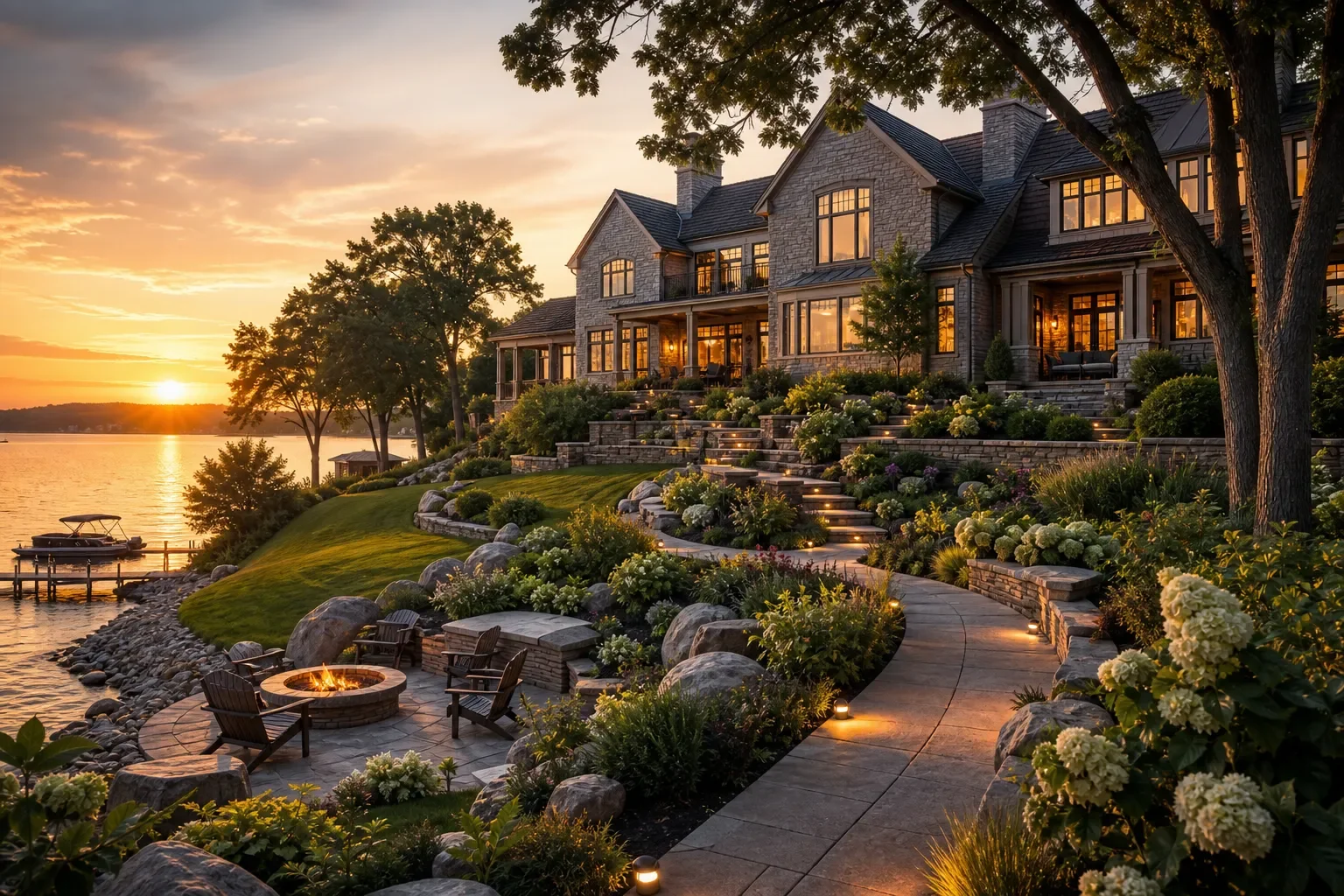
If you're wondering what landscaping improvements add the most value when selling a home, real estate data makes a striking case: well-maintained yards can make a home appear 5.5% to 11.4% more valuable before a buyer sets foot inside, and the upgrades that move the needle most are often the cheapest ones on the list. This is not a design opinion. It comes from NAR research, HomeLight reporting, and what real estate agents across the Midwest tell sellers week after week. The flashiest outdoor projects rarely top the ROI rankings. The fundamentals do.
At Everyday Landscaping WI, we prep Waukesha County homes for the market every spring and fall. After two decades of standing in Wisconsin front yards, reading listing photos, and talking to sellers who waited too long to address the basics, one pattern keeps repeating: the right landscaping work, done in the right order, pays back multiples of what it costs. The wrong work costs money and time without moving the needle.
By the end of this guide, you'll know which 3 to 5 projects to prioritize for your budget, what realistic cost ranges look like, and whether each task is worth doing yourself or handing to a local crew.
Why the yard sells the house before buyers walk through the door
What curb appeal data actually says about sale price and speed
The numbers are more concrete than most sellers expect. Studies and industry reporting consistently show that strong landscaping can add between 5.5% and 11.4% to a home's perceived value, with some market-specific estimates pushing past 20% in high-demand neighborhoods. That is not a small margin on a $450,000 home in Waukesha County. Beyond price, homes with clean, well-maintained yards tend to generate more showings and spend fewer days on the market, because the first impression in listing photos filters buyers before they even schedule a visit.
NAR's 2025 Remodeling Impact Report puts precise numbers behind this. Standard lawn care showed a 217% cost recovery at resale. Landscape maintenance came in at 104%. An overall landscape upgrade landed right at 100%. These figures represent what REALTORS report homeowners can expect to recoup, not feel-good estimates from landscapers.
Why visible, low-maintenance upgrades outperform big outdoor features
The core principle behind every ranking in this guide is straightforward: buyers reward what they can see from the street and what they won't have to work to maintain. NAR data shows that landscape maintenance was the most commonly recommended pre-sale project among agents at 74%, with standard lawn care close behind at 53%. These aren't exciting upgrades, but they signal to buyers that the whole property has been cared for, which translates directly into offer strength and negotiating position.
Expensive outdoor features like pools and elaborate fire features landed near the bottom of the same report, each recovering only 56 cents on the dollar. Outdoor kitchens vary by source and market, NAR's 2025 data shows their cost recovery can reach close to full value in some datasets, so they don't belong in the same low-recovery category. The broader lesson holds regardless: complexity and cost don't reliably drive exterior home resale value. Cleanliness, health, and low maintenance do.
What Landscaping Improvements Add the Most Value When Selling a Home
1. Lawn care and seasonal maintenance (up to 217% cost recovery)
No landscaping improvement beats a healthy, well-maintained lawn for resale return. NAR's 2025 Remodeling Impact Report documents standard lawn care at 217% cost recovery, making it the single best-performing pre-listing investment on this list. The reason is psychological as much as aesthetic: buyers interpret a healthy lawn as evidence that the rest of the property has been cared for consistently. A patchy, weedy, or overgrown front lawn signals neglect and immediately raises questions about what else has been deferred.
The work involved, mowing, edging, fertilizing, and weed control, is unglamorous but decisive. In Wisconsin's spring selling season, buyers are comparing your lawn against every other property they toured that weekend. A sharp, green, well-edged lawn stands out in listing photos and in person.
2. Fresh mulch and clean bed edging
Fresh mulch is one of the best dollar-for-dollar curb appeal improvements available to a seller. HomeLight reports that roughly $340 in fresh mulch recoups about 126% at closing, making it a rare case where the investment actually returns more than it costs. In Wisconsin, dark freshly laid mulch in spring reads immediately as "recently maintained" in listing photos, even before a buyer gets out of the car. Clean bed edging does the same work: it tells the eye that someone has paid attention to the details.
The combination of fresh mulch and crisp edges also suppresses weeds through the listing and showing period, which means the yard holds its polished look without constant upkeep. That matters when you have showings scheduled across multiple weekends.
3. Trimmed shrubs and foundation planting cleanup
Overgrown foundation shrubs are one of the most common visual red flags in pre-listing yards, and one of the easiest to fix. When shrubs grow past windows, block the front entry, or spread into the walkway, they make the house look smaller and older. Professional shrub trimming in Waukesha County typically runs $150 to $350 for a standard property, a small investment against what it does for the home's front profile. A clean, opened-up foundation line lets the house read as taller and better maintained. It's also one of those improvements that photographs extremely well.
The key is doing this with a skilled eye. Improper pruning at the wrong time of year can stress plants or leave them looking ragged during the listing window. A professional crew handles this quickly and gets it right the first time.
4. Tree care and dead wood removal
NAR ranks tree care third among resale landscaping projects, and it earns that position for both aesthetic and liability reasons. Dead limbs and overgrown canopy create buyer concerns about safety, insurance, and potential damage. A well-framed, healthy mature tree, by contrast, is a genuine selling point, especially in established Waukesha County neighborhoods where mature trees define the streetscape. Removing dead wood, raising the canopy, and clearing sight lines to the house all contribute to a cleaner, safer, more attractive presentation.
In southeastern Wisconsin, basic dead wood removal and canopy raising typically runs $300 to $900 for a single tree, depending on size and access. Addressing even one or two problem trees before listing photos eliminates a common buyer objection before it surfaces in negotiations.
Three more upgrades worth adding if the budget allows
5. Drainage corrections and light grading
Standing water or visibly uneven ground near the foundation raises immediate buyer concerns about water management and structural integrity. Even if the actual risk is minor, it becomes a negotiating point or a deal hesitation. A light grading correction or basic drainage improvement resolves that objection before it surfaces. In southeastern Wisconsin, residential light grading projects typically run $1,000 to $3,500 depending on scope. Everyday Landscaping WI handles light grading as part of pre-listing prep, which means it can be coordinated alongside mulching and cleanup in a single mobilization rather than a separate contractor visit.
6. Front walkway refresh
The path from the street to the front door is the first physical experience a buyer has with your property. A cracked, uneven, or worn walkway undermines the impression that the rest of your curb appeal work creates. Simple hardscape improvements near the entry, cleaned pavers, reset edging, or a resurfaced concrete path, recover close to their full cost at resale. This does not require a full hardscape redesign. A clean, even, well-defined front path is all that's needed, and it's one of the improvements Midwest listing agents most consistently recommend before photos.
7. Seasonal color and entry-point planting
A few well-placed annuals or perennials near the front entry or mailbox area lift listing photos without requiring a major planting budget. This is a finishing touch, not a standalone priority. It works because it adds warmth and intentionality to a yard that already looks clean and maintained. Done on top of the core upgrades, it rounds out the first impression. Skipped in favor of the core upgrades, it has no meaningful effect on its own.
The over-improvement trap: what to skip before you list
Big-ticket outdoor features that rarely recover their cost
Pools and elaborate fire features are the landscaping equivalent of a full kitchen renovation in a $200,000 house, NAR data shows both recovering only 56% of their cost at resale. They are lifestyle additions, not resale investments, and they narrow the buyer pool by raising concerns about maintenance, insurance, and safety. If you don't already have these features, don't add them before listing.
High-maintenance plantings that scare buyers off
Elaborate topiaries, formal rose gardens, dense tropical plantings, and highly customized bed designs share a common problem: buyers see work, not value. The goal before listing is to show buyers a yard they can enjoy without inheriting a second job. Overly formal or design-heavy planting schemes read as personal taste rather than added value, and they can actually suppress offers from buyers who don't want to maintain them. Keep it clean, simple, and buyer-neutral.
DIY vs. hiring a local crew: how to decide before listing
What you can realistically handle yourself
Basic mowing, visible weed pulling, watering, and planting a flat of annuals near the entry are reasonable DIY tasks for most homeowners. These have low risk of error and don't require specialized equipment or timing knowledge. The honest caveat is that doing them well before a listing deadline requires time, multiple passes, and the discipline to treat your own yard like a job site rather than a weekend project.
When bringing in Everyday Landscaping WI makes more sense
When your listing timeline is tight and the work includes professional-grade mulching, shrub trimming, overgrown shrub removal, foundation cleanup, weed control, or light grading, a local crew changes what's possible in a short window. Everyday Landscaping WI works with sellers across Waukesha County specifically for pre-listing prep. The team knows local soil conditions, understands what Waukesha County buyers respond to, and can coordinate multiple services in a single visit so the yard is market-ready without a drawn-out project timeline. The company serves Brookfield, Pewaukee, Oconomowoc, Delafield, New Berlin, and surrounding communities.
The practical math is simple: professional mulching, shrub trimming, and bed cleanup done correctly before listing photos can return well over 100% of their cost. Done poorly or skipped, that return disappears.
Your pre-listing yard checklist: a realistic 2-week game plan
Week one: fix the structural issues first
Start with the work that needs time to settle or recover. Address drainage corrections and light grading first ($1,000 to $3,500 depending on scope). Remove or hard-trim overgrown shrubs ($150 to $350 for foundation cleanup). Handle dead wood removal and any necessary tree pruning ($300 to $900 per tree depending on size). If the lawn has bare or patchy areas, this is the week to seed or lay sod so it has time to establish before photos.
Week two: the finishing layer
With the structural work done, move to the visible layer. Apply fresh mulch to all beds, 2 to 3 inches deep, HomeLight benchmarks roughly $340 as a typical investment, though local pricing varies. Edge every bed and the lawn perimeter cleanly. Add seasonal annuals or simple perennials near the front entry ($40 to $100 in plant material). Clean up the walkway and pressure wash hard surfaces if needed. Do a final mow and edge the morning of or the day before listing photos.
The majority of buyers find their next home online first, according to NAR buyer behavior data, which means listing photos lock in the first impression for most of them before a showing is ever scheduled. The finishing work pays off most when it happens within 48 hours of the shoot.
The bottom line: what landscaping improvements add the most value when selling a home
The landscaping improvements that add the most value when selling a home aren't the ones that cost the most or look the most impressive on a design board. They're the visible, well-maintained, low-maintenance upgrades that tell buyers immediately: this property has been cared for. Thinking about hardscaping vs. softscaping, the answer is similar, both categories reward simplicity and maintenance over complexity. Lawn care, fresh mulch, trimmed shrubs, clean beds, and dead wood removal consistently return multiples of their cost. The expensive outdoor features, pools, elaborate fire features, high-maintenance plantings, consistently don't.
If you're in Waukesha County and your listing timeline is shorter than you'd like, the fastest path to a market-ready yard is a local crew that already knows the neighborhood standards and can execute the full scope in a single mobilization. That's exactly what Everyday Landscaping WI does for sellers across Brookfield, Pewaukee, Oconomowoc, and the surrounding area.
Reach out to Everyday Landscaping WI to get an estimate and a realistic timeline before your listing date. The sooner the yard is addressed, the more options you have for doing it right.